In-orbit edge computing

Process your data
before it hits the ground.

TILE is modular compute that runs in orbit. Satellite operators process imagery and sensor data in space — insights downlinked, not raw pixels.

<50ms
On-orbit inference latency
2023
Founded, El Segundo CA
8W
Power draw (nominal)
The downlink bottleneck

Satellites collect petabytes.
Ground windows are minutes.

12–24h
avg. data-to-decision gap

Latency kills perishable intelligence

A wildfire front moves. A vessel changes course. A construction site shifts. By the time raw imagery reaches an analyst on the ground, the moment is gone. Current satellite architectures are built for storage, not speed.

~8min
avg. downlink window per pass

Bandwidth is a hard constraint

Each ground-station pass gives a few minutes of link. Modern imaging sensors produce far more data per orbit than that window can carry. Operators are forced to choose which data to downlink — and most of it is never seen.

$0.12/GB
and rising with constellation scale

Ground infrastructure costs scale unsustainably

Building out ground station networks for growing constellations is expensive and geographically constrained. The economics only get harder as fleets grow. The answer isn't more ground infrastructure — it's less raw data to move.

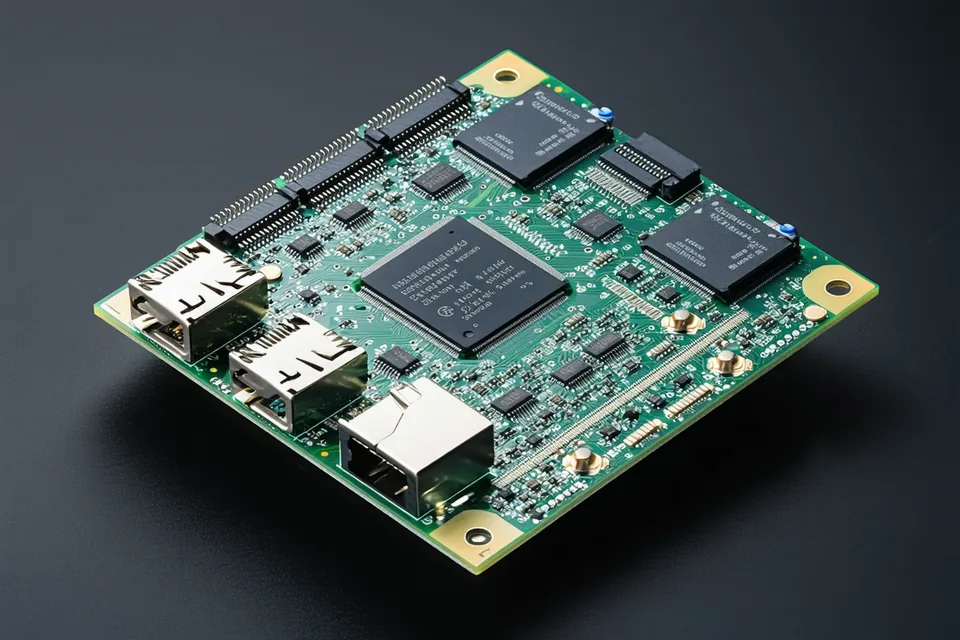
TILE modular compute hardware module — circuit board and housing for satellite integration
TILE by Sophia Space

Move the compute closer to the sensor

TILE is a modular, radiation-tolerant compute module designed to integrate with your satellite bus. Load your inference models and processing logic pre-launch. TILE runs them in orbit — returning decisions and actionable outputs, not raw sensor data.

  • Radiation-tolerant compute for LEO/MEO environments
  • On-orbit ML inference — ONNX and TFLite model deployment
  • Modular form factor for CubeSat and SmallSat buses
  • Standard bus interfaces — minimal integration overhead

Explore TILE Architecture
How it works

Three steps to orbit-native compute

01

Integrate TILE into your satellite bus

TILE is designed to slot into standard CubeSat and SmallSat bus architectures via familiar interfaces. Integration is handled during satellite assembly — before launch. No special orbital procedures required.

02

Load your models pre-launch

Your inference models, change detection algorithms, sensor fusion logic — compiled for TILE's runtime and loaded onto the hardware before the satellite ships. Update-over-the-air capability is in development for future firmware releases.

03

Decisions downlinked, not raw pixels

TILE runs your processing pipeline in orbit at sensor rate. Results — classifications, alerts, compressed relevant frames — are downlinked. Your ground pass carries intelligence, not raw data you'll never have time to analyze.

Where TILE works

Three mission profiles. One compute problem.

Earth observation, defense intelligence, IoT constellations — each vertical has a different payload, a different data rate, and the same structural constraint: the downlink window is not fast enough.

Built in El Segundo, CA

In the heart of the space corridor

Sophia Space operates from 2120 Park Place in El Segundo — one block from Aerospace Corporation and adjacent to the talent concentration that comes with decades of satellite prime and subcontractor presence in the South Bay. That's not a coincidence. Supply chain, component testing, machining, and engineering culture all matter when your product must survive launch and operate unattended for years in LEO.

We are angel-backed and actively developing TILE. Early integration conversations are open with satellite operators evaluating on-orbit processing for upcoming missions.

About the team
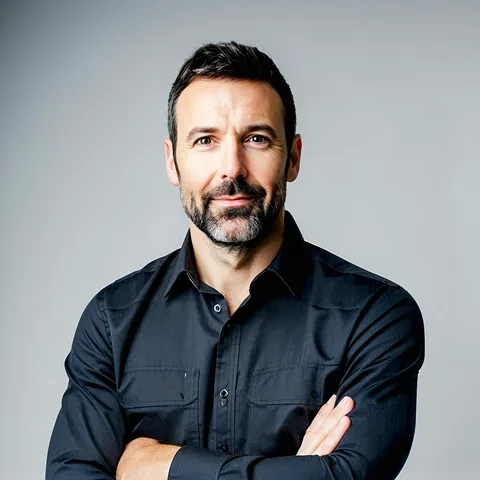
Rob DeMillo, Founder & CEO
Sophia Space embedded systems engineer
Sophia Space RF and satellite systems engineer
Sophia Space software and systems integration engineer

Location

2120 Park Place, Suite 200
El Segundo, CA 90245

+1 (310) 322-1107

Ready to move compute closer to the sensor?

Reduce latency. Compress bandwidth. Fly smarter.

TILE is in active hardware development. If you are designing a satellite mission that needs to do more with its downlink budget, we want to hear about your architecture — bus type, orbit, payload, constraints.