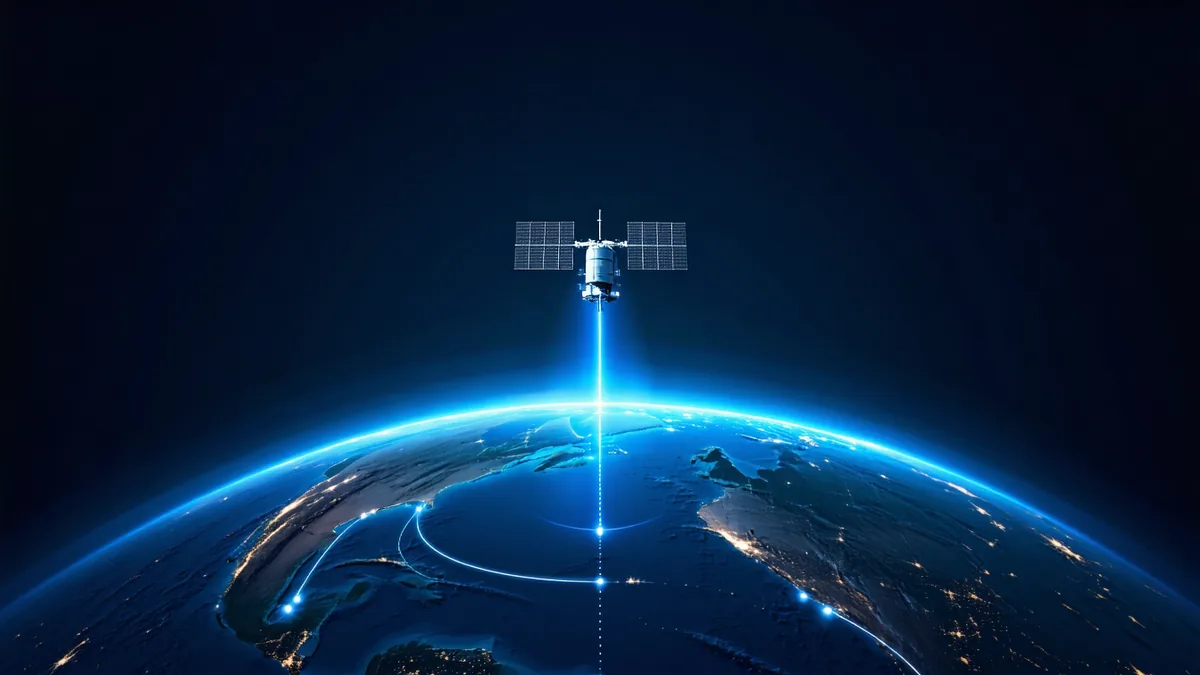
Why Latency Is the Hidden Cost of Every Satellite Mission
Every satellite operator knows their ground pass windows. Few have calculated what those windows actually cost in time-critical decision latency.

The Satellite Data Pipeline Has a Bottleneck — and It's Not the Sensor
Modern imaging satellites produce more data per orbit than a downlink window can carry. The limiting factor isn't sensor resolution — it's the pipeline between sensor and ground.
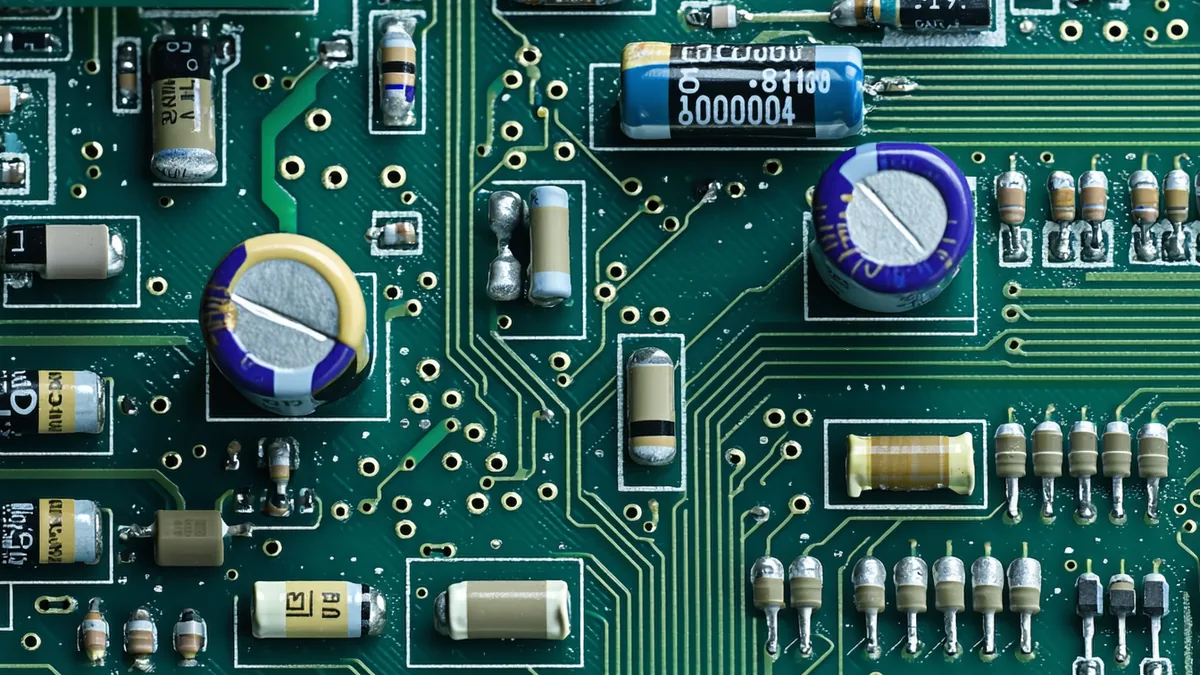
Designing Compute for the Orbital Environment: TILE Architecture Overview
Radiation tolerance, power budgets, and deterministic processing — the three constraints that dominate every hardware decision when building compute for low Earth orbit.

The Real Economics of Satellite Downlink Bandwidth
Downlink bandwidth isn't free. As constellation sizes grow, the cost structure of ground station networks becomes a non-trivial line item.
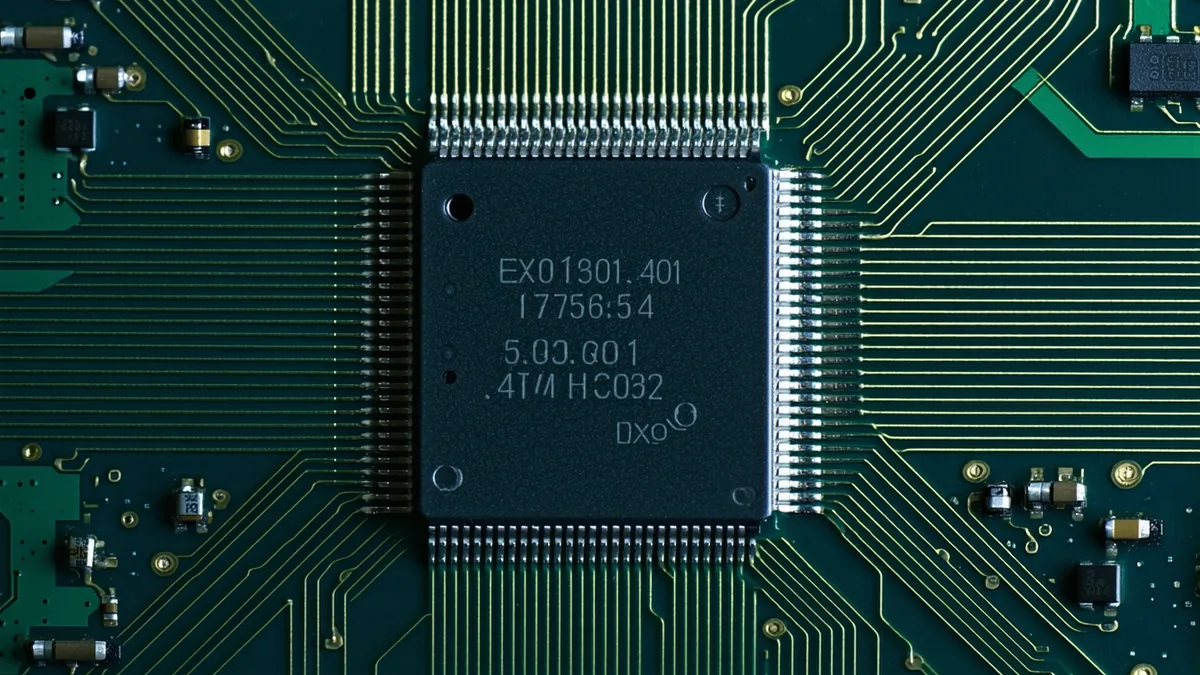
Space-Grade vs COTS Processors: A Hardware Engineer's Honest Assessment
The radiation-hardened processor market has not kept pace with commercial silicon. Understanding the tradeoffs changes how you design for orbit.

On-Orbit ML Inference: What Constellation Operators Actually Need
Running machine learning inference on orbit isn't about reproducing a cloud platform in space. It's about a constrained problem: fast classification on a tight power budget.
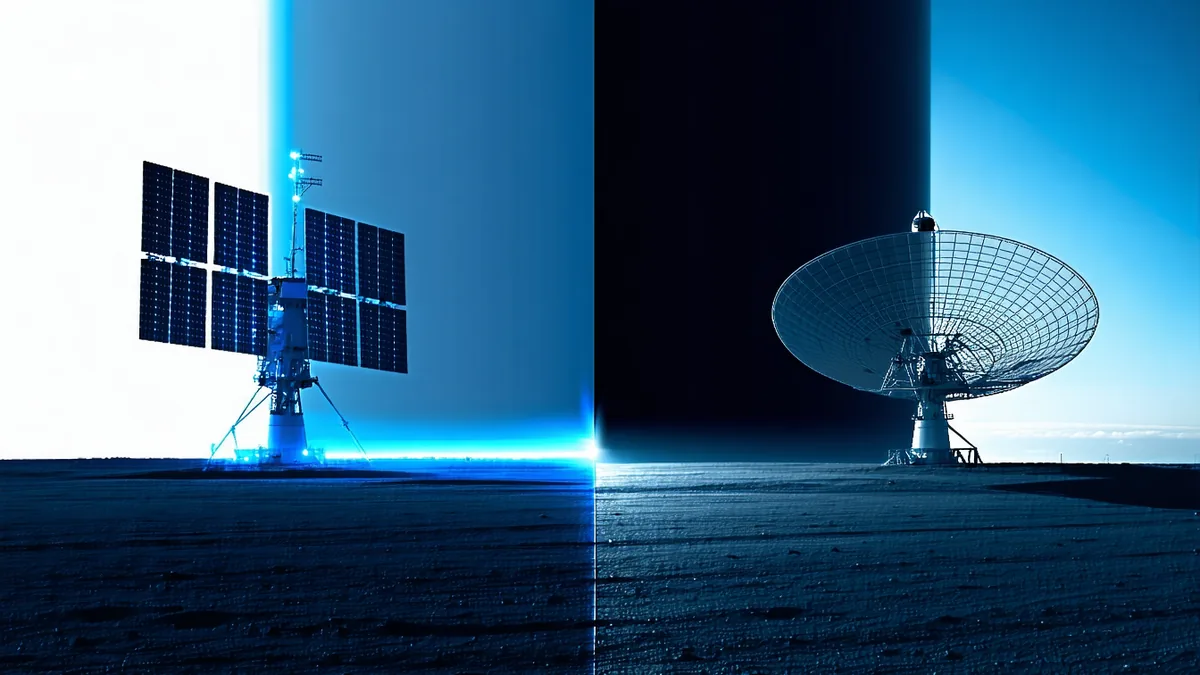
Edge Processing vs Ground Processing: Choosing the Right Split
Not every workload belongs on orbit. But the ones that do — time-critical classification, sensor fusion, alert triggers — are where edge compute earns its place.
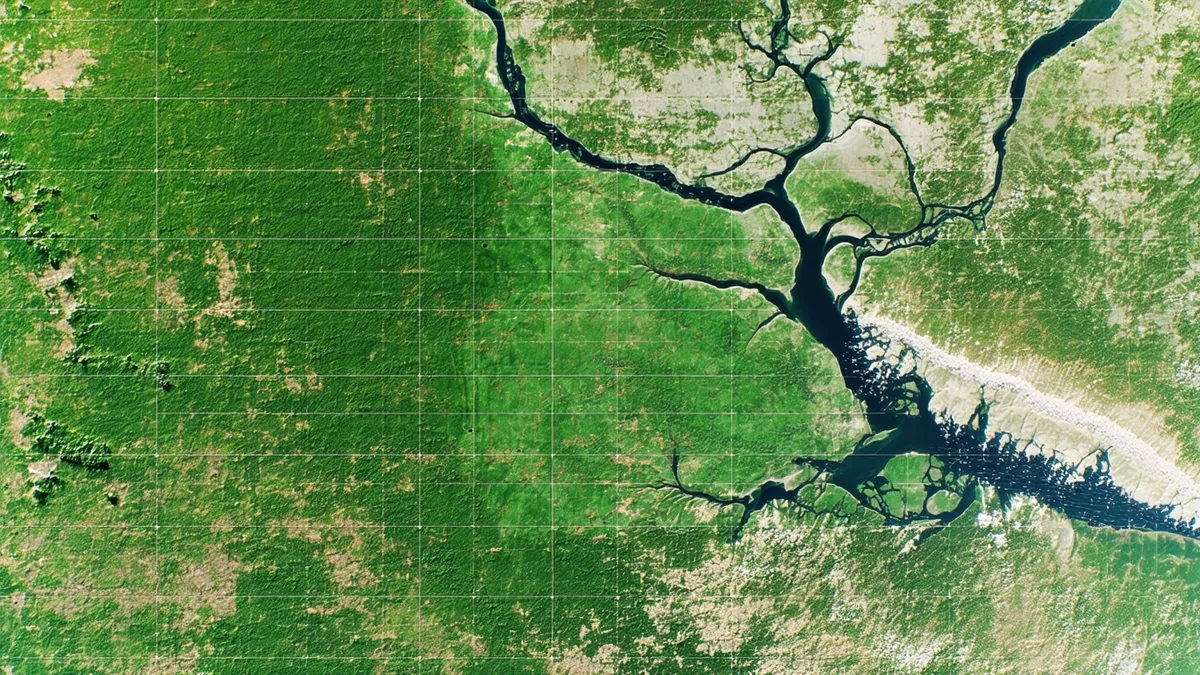
Real-Time Change Detection for Earth Observation: From Concept to Orbit
Change detection has always been an EO superpower. Running it on orbit, at sensor rate, with no downlink dependency — that's a different class of capability.